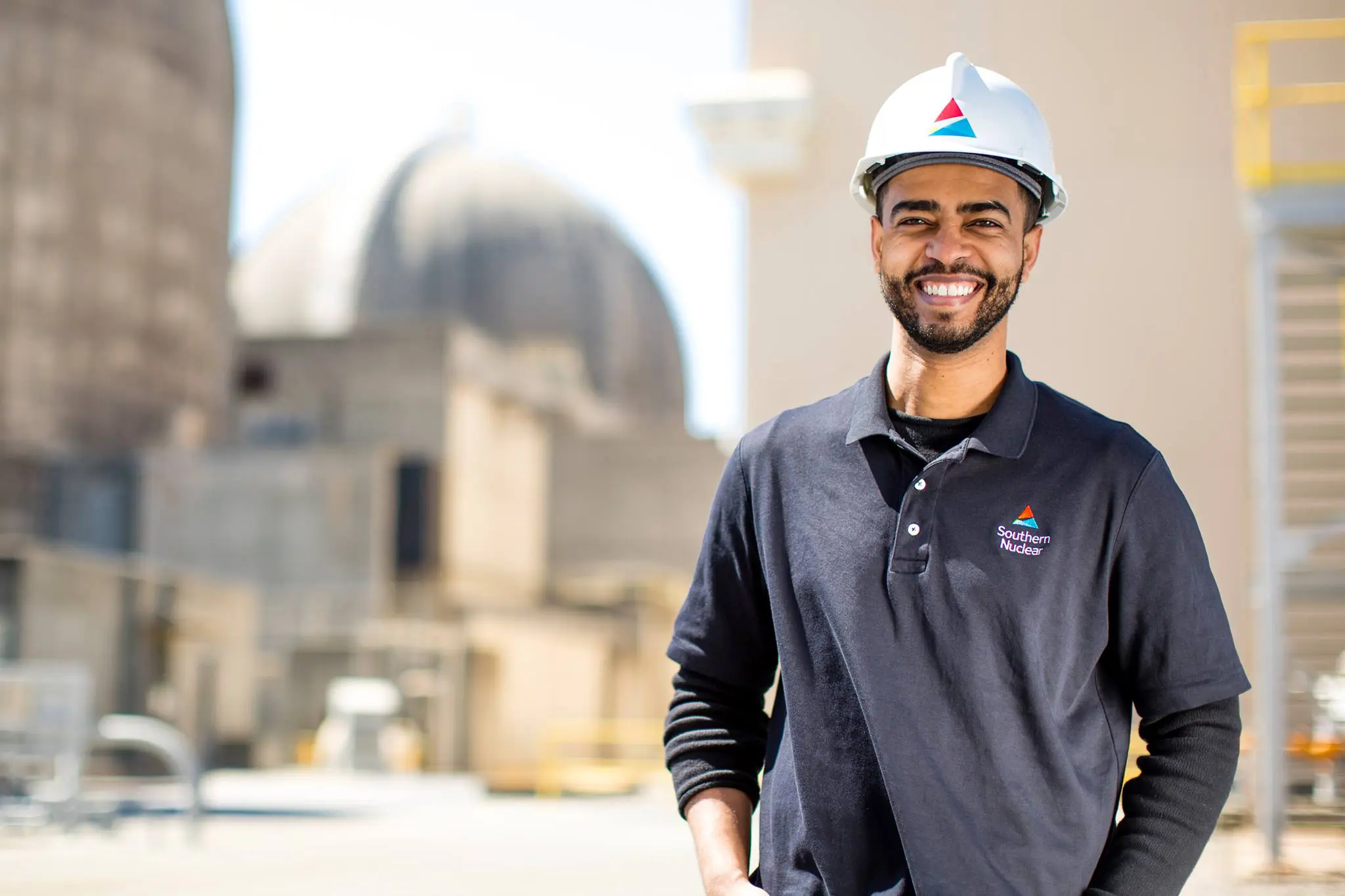
Engineers are the ones behind the scenes of energy industry helping to improve systems and create more efficient ways to generate, transmit, and use power from the power plant to customer homes. Electrical power and energy engineers are also driving the technologies of the future, making it possible to harness the energy of wind, solar and other new generation technologies.
Think you have what it takes to be an electrical/power engineer? Power and energy engineers need to develop many specific skills to do their job well. Some of these skills are:
- Working with technology
- Turn goals and concerns into clear statements and solve them using technology
- Clear communication
- Identify and solve problems systematically
Career Opportunities
As a power and energy engineer, you would have many opportunities to grow in your career. You may start as a helper or assistant and work your way up to a service specialist or supervisor. At each level, it is important to develop and strengthen even more skills.
Preferred qualifications for engineers include a Bachelor of Science degree in electrical or computer engineering from an Accreditation Board for Engineering and Technology (ABET) program or a Master’s degree in electrical or computer engineering. Engineers begin their careers in the energy sector with an average starting salary of $55,000 – $65,000.
Education Options
High School
- Academy for Advanced Studies
- Burke County High School
- Cherokee High School
- Cobb Innovation and Technology Academy
- Innovation Academy
- Paulding College & Career Academy
- Richmond County Technical Career Magnet School
- Vidalia Comprehensive High School
Postsecondary
- Many education options are available throughout the state. The University System of Georgia can offer information.
Many TCSG Colleges offering Engineering Technology (Associate Degrees) including: